
In today’s interconnected economy, logistics and courier services play a critical role in supporting business operations across industries. From small online retailers to multinational manufacturers, organizations depend on efficient transportation and distribution networks to move products from suppliers to customers. As global trade expands and e-commerce continues to reshape consumer expectations, logistics has become an increasingly important component of business strategy.
The movement of goods is no longer viewed solely as an operational necessity. Businesses now recognize that effective logistics management can influence customer satisfaction, inventory control, operational efficiency, and overall competitiveness. Whether shipments travel within a city or across international borders, logistics providers help facilitate the flow of goods through increasingly complex supply chains.
Understanding Modern Logistics
Logistics encompasses the planning, coordination, and execution of activities related to the transportation and storage of goods. It involves a wide range of functions that work together to ensure products reach their intended destinations efficiently.
Key logistics activities typically include:
- Transportation management
- Warehousing and storage
- Inventory management
- Distribution planning
- Freight forwarding
- Order fulfillment
- Last-mile delivery
These activities form the foundation of modern supply chain operations. When managed effectively, logistics systems help businesses maintain product availability while responding to fluctuations in customer demand.
As supply chains become more globalized, logistics has evolved into a strategic business function that supports both operational performance and long-term growth.
The Growing Role of Courier Services
Courier services represent an important segment of the logistics industry. Businesses across sectors rely on courier networks to transport documents, parcels, and commercial goods in a structured and time-sensitive manner.
Unlike traditional postal services, courier providers often support business operations that require greater visibility, scheduling flexibility, and shipment tracking capabilities. Industries such as retail, healthcare, manufacturing, and professional services frequently depend on courier networks to facilitate day-to-day operations.
The rapid growth of e-commerce has further increased the importance of courier services. Consumers now expect faster delivery times, transparent tracking information, and convenient shipping options. These evolving expectations have encouraged businesses to strengthen their logistics capabilities and collaborate with providers that can support efficient delivery processes.
By connecting businesses with customers through organized transportation networks, courier services contribute to smoother commercial operations and improved customer experiences.
Logistics as a Strategic Business Function
Historically, logistics was often viewed as a support function focused primarily on transportation and storage. Today, however, many organizations consider logistics a strategic element of business management.
Effective logistics planning can contribute to:
- Improved inventory control
- Reduced transportation costs
- Better resource utilization
- Enhanced supply chain visibility
- More consistent customer experiences
Inventory management, for example, plays a significant role in balancing product availability with storage costs. Maintaining appropriate inventory levels can help businesses avoid stock shortages while minimizing excess inventory.
Similarly, transportation planning can help organizations optimize shipping routes, improve delivery coordination, and reduce unnecessary operational expenses.
As businesses face increasingly competitive markets, logistics has become an important factor influencing both efficiency and customer satisfaction.
E-Commerce and Fulfillment Operations
The continued growth of e-commerce has transformed logistics and fulfillment processes around the world. Online retailers are expected to manage large order volumes while meeting customer expectations for speed, accuracy, and convenience.
E-commerce fulfillment generally involves several stages:
- Inventory storage
- Order processing
- Product picking
- Packing
- Shipping
- Final delivery
Each stage requires coordination to ensure orders move efficiently through the supply chain.
Even minor disruptions can affect delivery schedules and customer satisfaction. For this reason, many businesses work with logistics providers that offer scalable fulfillment and distribution solutions.
Technology has become increasingly important within fulfillment operations. Warehouse management systems, automated inventory tracking, and digital order processing tools help improve visibility and operational efficiency across supply chains.
International Shipping and Freight Management
Globalization has created new opportunities for businesses to source materials, manufacture products, and reach customers across international markets. At the same time, it has increased the complexity of logistics management.
International shipping often requires coordination among multiple stakeholders, including:
- Freight carriers
- Freight forwarders
- Customs authorities
- Warehousing operators
- Distribution partners
Businesses involved in cross-border trade must also comply with customs regulations, documentation requirements, and transportation standards that vary between countries.
Several transportation methods support international logistics operations:
Air Freight
Air freight is commonly used for shipments that require shorter transit times. It is often selected for time-sensitive or higher-value goods.
Sea Freight
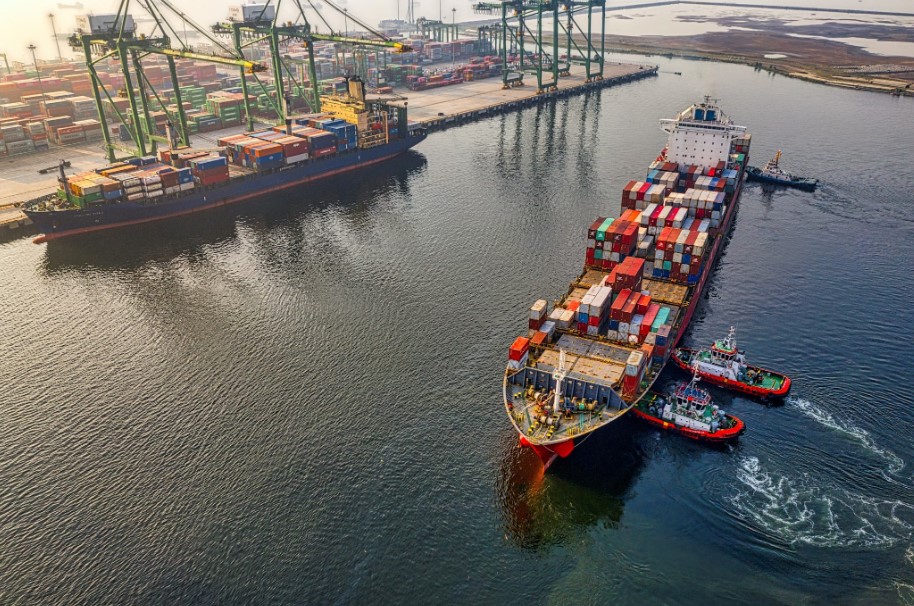
Sea freight remains a widely used option for transporting large cargo volumes over long distances. It can provide cost efficiencies for businesses moving substantial quantities of goods internationally.
Land Transportation
Road and rail transportation play important roles in regional distribution networks and cross-border commerce, connecting ports, warehouses, and final destinations.
Managing these transportation methods effectively requires planning and coordination throughout the supply chain.
About RR Express
RR Express is a logistics and courier service company with more than 15 years of experience in domestic distribution, delivery, and freight solutions.
Founded in 2013, the company serves customers across Singapore, Australia, the United Kingdom, and Southeast Asia. RR Express works with businesses of various sizes and supports logistics activities across local and international markets.
The company collaborates with established retailers and partners with major third-party logistics (3PL), air cargo, and sea freight organizations to facilitate the movement of goods. As part of the broader logistics industry, RR Express contributes to transportation, distribution, and freight operations that support modern supply chains.
Its presence across multiple regions reflects the growing demand for logistics providers capable of operating within interconnected domestic and international trade networks.
Technology and Logistics Innovation
Technology continues to reshape the logistics industry by improving visibility, efficiency, and decision-making capabilities.
One of the most significant developments has been the adoption of real-time shipment tracking systems. These tools allow businesses and customers to monitor shipment progress throughout the transportation process, providing greater transparency and operational visibility.
Data analytics has also become increasingly valuable in logistics management. Businesses use data-driven insights to:
- Forecast demand
- Optimize transportation routes
- Improve inventory planning
- Identify operational inefficiencies
In addition, warehouse automation technologies are helping organizations streamline repetitive processes such as sorting, picking, and inventory management.
For businesses seeking a reliable courier service in Singapore, technological advancements have made shipment tracking, communication, and logistics coordination more transparent and efficient than in previous years.
As digital transformation continues, technology is expected to play an even greater role in shaping logistics operations across global supply chains.
Sustainability in Logistics
Sustainability has become an important consideration for businesses and logistics providers worldwide. As transportation networks expand, organizations are increasingly evaluating ways to reduce environmental impact while maintaining operational effectiveness.
Common sustainability initiatives include:
- Route optimization
- Fuel-efficiency improvements
- Alternative transportation technologies
- Shipment consolidation
- More efficient packaging practices
These efforts can help reduce transportation-related emissions while supporting broader environmental objectives.
Many businesses now consider sustainability alongside traditional logistics priorities such as cost, speed, and reliability when evaluating supply chain strategies.
The Future of Logistics and Courier Services
The logistics industry continues to evolve in response to changing consumer expectations, technological innovation, and expanding global trade.
Several trends are expected to influence the future of logistics, including:
- Increased automation
- Artificial intelligence applications
- Advanced analytics
- Enhanced supply chain visibility
- Sustainable transportation solutions
At the same time, businesses are likely to continue seeking logistics partners that can help manage increasingly complex transportation and distribution requirements.
As supply chains become more interconnected, logistics providers will remain important contributors to the efficient movement of goods across local, regional, and international markets.
Conclusion
Logistics and courier services are essential components of modern business operations. From supporting e-commerce fulfillment and inventory management to facilitating international trade and freight transportation, logistics providers help businesses navigate increasingly complex supply chains.
As customer expectations continue to evolve and global commerce expands, effective logistics management will remain a key factor in maintaining operational efficiency and supporting business growth.
Through transportation expertise, distribution capabilities, and ongoing technological development, the logistics sector continues to play a significant role in connecting businesses, markets, and consumers around the world.